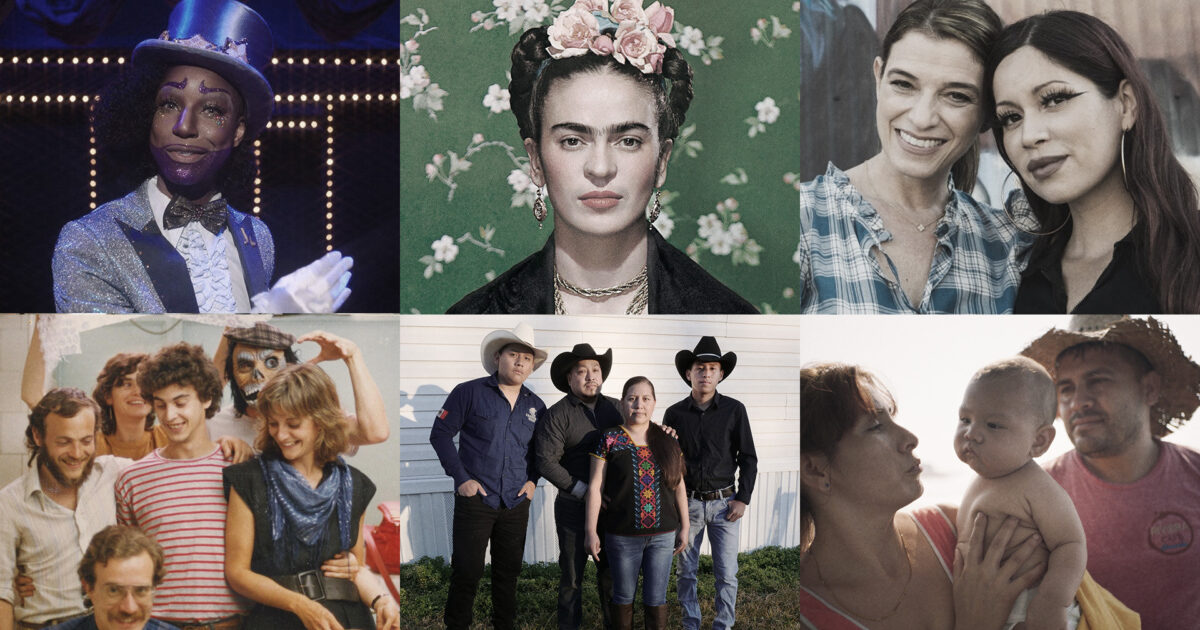
What is the difference between Hispanic and Latino? Why do we use both?
Let’s talk about Hispanic and Latino Heritage Month! Yes, we’ve been celebrating since 1988 when President Ronald Regan expanded President Lyndon Johnson’s Hispanic Heritage Week. But what does Hispanic even mean? What about Latino? Glad you asked.
When we say “Hispanic” we refer to people whose families come from Spanish-speaking countries in Latin America. Latin America is what we understand to be South America, Central America, Mexico, and the Caribbean islands where Romance languages (like Spanish, Portuguese, and French) are spoken. Your linguist and polyglot friends will explain to you that Romance languages are Latin-based, that they are evolutions of Latin, hence Latin America
When we say “Latino” we refer to people whose ancestors are from one or more of the 22 countries and territories in Latin America. We use both Hispanic and Latino to be inclusive, because people from French and Portuguese-speaking countries like Brazil and Haiti are not Hispanic but share many cultural traditions and commonalities with Spanish-speaking Latin Americans.
This is how we understand these identifying words today. But language is a living and ever-changing concept. And we create new words and definitions to match how we choose to describe ourselves and find solidarity with one other. For example, we hear more and more people use the word "Latine" as a way to describe people of Latin American descent without designating any one gender to a group of people. It is another way to be more inclusive with our language.
We also know that all of this is complicated and that some people interpret these broad terms negatively and exclusionary because they leave out the many Indigenous communities throughout Latin America who have sustained their languages, cultures, and traditions despite colonization’s efforts to eliminate them. We understand that no one term could ever accurately capture the diversity within all of Latin America and the many traditions each community has carried with them throughout the diaspora.
It's not perfect, but we do hope to find the words that celebrate and uplift the incredible history and bright future of the Latin American diaspora in the United States.
ncG1vNJzZmivp6x7sa7SZ6arn1%2BWv7W1wqWcrGeTmrmmrtGaq55lmJ7Asa3NoppmoJWntrWtxp5kpqeeqbU%3D